Choosing the Right Pond Fish for Central Texas Climates
Creating a thriving pond in Central Texas requires more than just a beautiful layout—it depends on choosing fish that can adapt to the region’s unique climate. With hot summers and mild winters, selecting the right species ensures your pond remains healthy and visually appealing.
This guide explores more about the best pond fish for Central Texas. Learn how to care for them and what to consider when planning your pond ecosystem.
Understanding Central Texas Climate for Pond Fish
Central Texas experiences long, hot summers where water temperatures can rise quickly. Ponds exposed to direct sunlight may warm beyond what some fish can tolerate. Winters are generally mild, but sudden cold snaps can occur.
These fluctuations mean pond owners must select hardy fish that can withstand both extremes. Water quality also plays a role. Evaporation during summer can concentrate minerals, while rainfall may dilute them. Fish that adapt well to varying water conditions are the best choice for long-term success.
Planning for shade and aeration helps stabilize conditions and gives fish a healthier environment year-round.
Koi as Colorful Companions
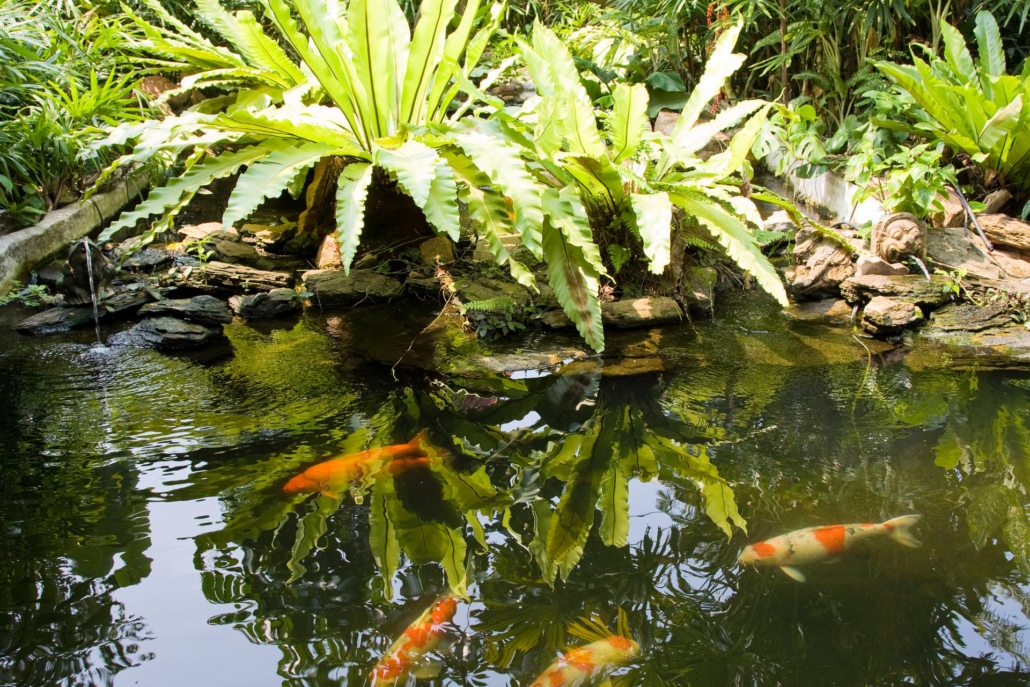
Koi are among the most popular pond fish thanks to their vibrant colors and graceful swimming. They thrive in Central Texas when ponds are properly shaded and aerated. Koi prefer cooler water, and deeper ponds can keep a more consistent temperature during summer. These fish also require attentive care. They produce more waste than smaller fish, so filtration systems must be strong enough to maintain water clarity.
With proper maintenance, koi can live for decades, becoming centerpiece attractions in your pond. Their longevity and beauty make them rewarding, but they demand consistent upkeep to remain healthy.
Goldfish as Hardy and Adaptable Pond Residents
Goldfish are resilient and well-suited to Central Texas ponds. They tolerate a wide range of temperatures and water conditions, making them ideal for beginners. Unlike koi, goldfish produce less waste, which reduces strain on filtration systems.
Varieties such as comet and shubunkin goldfish add color and movement without overwhelming the pond ecosystem. They coexist peacefully with other species and are less demanding in terms of care.
Their adaptability makes them a reliable choice for both small and large ponds, offering beauty without excessive maintenance.
Catfish as Functional and Hardy Pond Dwellers
Channel catfish are a practical choice for larger ponds. They thrive in warm water and help control insect populations.
Catfish are bottom feeders, which means they contribute to pond cleanliness by consuming leftover food and organic matter. Because they grow quickly and can reach impressive sizes, catfish are best suited for ponds with ample space. Their adaptability to fluctuating temperatures makes them reliable additions to Central Texas ponds.
Plus, since they add diversity to the ecosystem, they also balance out species that prefer mid- or surface-level swimming.
Sunfish and Bluegill as Native Options
Sunfish and bluegill are native to Texas waters, making them naturally adapted to the climate. They are hardy and active, and they provide ecological balance by controlling insect larvae.
Their presence also attracts birds and other wildlife, enhancing the pond’s natural appeal. These species are excellent for ponds designed to mimic natural ecosystems.
They also require minimal care and thrive in both small and large ponds. Their ability to withstand sudden weather changes makes them dependable choices for Central Texas pond owners.
Mosquitofish as Small but Effective Helpers
Mosquitofish may be tiny, but they play a big role in pond health. They feed on mosquito larvae, reducing the risk of pests around your property. Their adaptability to warm water makes them perfect for Central Texas summers. Because they reproduce quickly, mosquitofish can sustain their population without much intervention. They are best introduced in moderation to avoid overcrowding.
Their presence ensures a healthier pond environment and greater comfort for homeowners enjoying outdoor spaces.
Creating a Balanced Pond Ecosystem
A successful pond is more than just fish—it’s a balanced ecosystem. Combining species with different roles ensures harmony.
When planning your pond, consider depth, shade, and filtration. Incorporating plants such as lilies or reeds helps regulate temperature and oxygen levels. Thoughtful water feature design enhances both aesthetics and functionality, ensuring your pond is not only visually appealing but also sustainable.
Maintenance Tips for Healthy Pond Fish
Regular maintenance keeps fish healthy and ponds attractive. Monitor water temperature, especially during summer, and provide shade where possible. Aeration systems prevent oxygen depletion, which is critical during hot weather.
Feeding should be balanced—overfeeding leads to waste buildup, while underfeeding weakens fish. Seasonal checks ensure your pond remains stable through temperature changes. Professional inspections can identify issues early and prevent costly repairs.
In the end, consistent care ensures your pond remains a thriving centerpiece of your outdoor space.
Final Thoughts
Building a pond in Central Texas is both rewarding and practical when you choose fish that can thrive in the region’s climate. From the vibrant koi and hardy goldfish to native sunfish and helpful mosquitofish, each species brings unique benefits to your pond.
By combining beauty, resilience, and ecological balance, you create a water feature that not only looks stunning but also supports healthy aquatic life.
So, if you’re ready to create a pond that thrives in Central Texas, contact us today for trusted water feature installation and maintenance.
Frequently Asked Questions
What fish are best for small ponds in Central Texas?
Goldfish and mosquitofish are excellent for small ponds. They adapt well to limited space, tolerate temperature changes, and require less maintenance than larger species like koi or catfish.
How deep should a pond be for koi in Central Texas?
A pond should be at least three feet deep to help regulate water temperature during hot summers. Deeper ponds provide cooler zones where koi can retreat when surface water becomes too warm.
Can I mix native and non-native fish in my pond?
Yes, but balance is key. Native species like sunfish coexist well with non-native fish such as koi and goldfish. However, avoid overcrowding, as it can strain the ecosystem and filtration system.
Do I need aeration for my pond?
Aeration is highly recommended, especially during summer. It prevents oxygen depletion, supports fish health, and reduces algae growth. Aeration systems are essential for larger ponds with multiple species.
How do I protect fish during sudden cold snaps?
Adding pond heaters or de-icers can help during unexpected freezes. Covering part of the pond with a tarp or providing deeper zones ensures fish have a safe environment during cold weather.
